Learn
Understand hazards, procedures, tools, materials, quality requirements, and the reason behind each control.

Capability
Technical competence is built through safe work habits, task repetition, instructor guidance, and evidence-based feedback.
Progression
Programs are organized around practical task areas, equipment control, safe work procedures, and performance evidence.
Build a program around the tasks, equipment, standards, and performance evidence your people need.
Pathway
Understand hazards, procedures, tools, materials, quality requirements, and the reason behind each control.
Select PPE, follow Permit-to-Work requirements, inspect equipment, set up the work area, and confirm the task plan.
Repeat core movements using actual or job-representative equipment, then complete integrated tasks with safety, accuracy, coordination, and quality checks.
Receive assessment, feedback, documentation, and a clear pathway for improvement or qualification where applicable.
Capability Areas
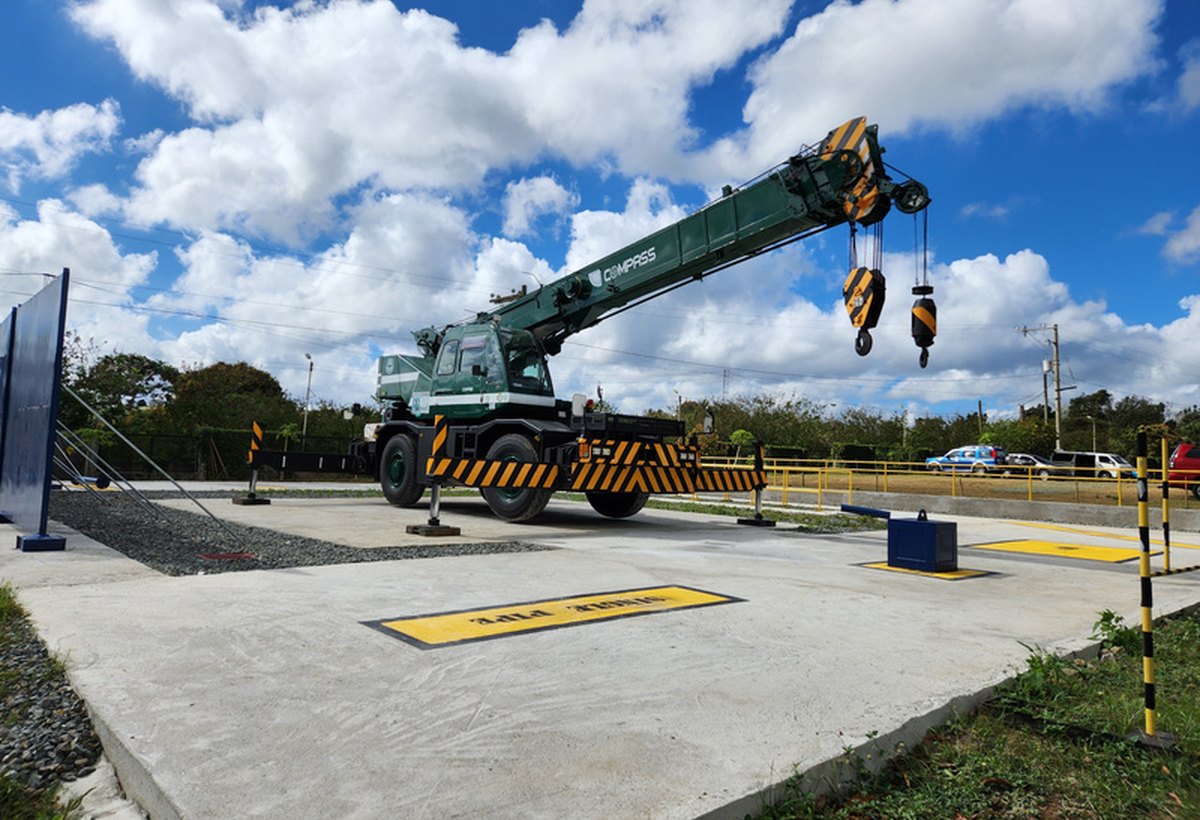
Crane handling, forklift operation, rigging, slinging, signaling, load control, equipment checks, and practical safety.
Basic and advanced shipboard welding, TIG, gas welding, copper brazing, and 6G pipe skills.
Shipboard lathe work, fitting, measurement, alignment, tool care, maintenance-oriented tasks, and practical workshop discipline.
Hydroblasting, tank preparation, equipment safety, surface cleaning, and maintenance applications.